








advertisements






News

City of Bartlesville
Posted: May 04, 2026 9:09 PMUpdated: May 04, 2026 9:19 PM
Bartlesville City Council Approves Budget, Discusses Water Rates, Adds Police Officer

Nathan Thompson
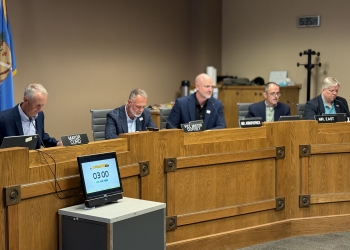
The Bartlesville City Council unanimously passed the city budget Monday for the upcoming fiscal year, with a provision including a possible hike for water utility rates and hiring an additional police officer.
City Manager Mike Bailey says rising costs for water treatment chemicals and supplies due to inflation are the primary drivers behind the proposed utility rate increases, not fuel costs or tariffs on those supplies.
"I'm sure those sorts of things affect costs at a very macro level, and so it's baked in," Bailey said. "But no, I'm not aware of any direct impact (from fuel or tariffs). The cost of chemicals has been rising substantially for quite a while, and so that is an area that we've seen some of the greatest growth."
City leaders told the council that chemical costs tied directly to water production have surged, in some cases rising 60% to 110% since 2020.
Rate proposals will be formally presented in June, with officials considering shifting more costs to usage-based fees to help protect residents on fixed incomes.
The council also approved amending the budget to add one police officer at the request of Mayor Jim Curd and Councilor Tim Sherrick. Bailey says the additional officer would assist in staffing shifts appropriately by not taking officers out of specialized units to bolster patrol.
"This one in particular, we have specialized units that if we don't have enough patrol officers on the street, the specialized unit doesn't get to work that day," Bailey said. "So, whether it is a drug unit or a traffic unit, that unit has to supplement the patrol officers... And then the second and pressing reason was he wanted to try to keep those specialized units whole on any given day."
The position will be funded by reallocating capital funds to the general fund, converting a one-time expense into an ongoing cost for future budget years.
« Back to News

